

Lawn Mower Repair
Diagnostics for no-start, poor cutting, rough running, smoke, vibration, and other mower problems.
Local repair information, nearby communities, service categories, practical guides, and provider availability requests.
Tampa Bay’s warm climate, frequent rain, humidity, coastal exposure, sandy debris, and storm season create year-round maintenance needs for mowers and portable generators.
Humidity, wet grass, sand, salt-air exposure in coastal areas, and long operating seasons can contribute to corrosion, deck buildup, clogged filters, fuel deterioration, bearing wear, and electrical problems.
Requests may come from the metro and nearby communities including Tampa, Brandon, Riverview, Clearwater, St. Petersburg, Wesley Chapel, Plant City, Palm Harbor. A listed city does not guarantee that a provider currently covers every ZIP code.
Tampa Brandon Riverview Clearwater St. Petersburg Wesley Chapel Plant City Palm Harbor
Humidity, wet grass, sand, salt-air exposure in coastal areas, and long operating seasons can contribute to corrosion, deck buildup, clogged filters, fuel deterioration, bearing wear, and electrical problems.
Push and electric mowers are common on compact lots, while riding and zero-turn equipment serves larger suburban properties and commercial routes. Portable and inverter generators are important during storm preparation.
Mower repair can stay active year-round. Generator requests often rise before storms, so routine testing and maintenance should occur well before an outage threat.
Geographic orientation
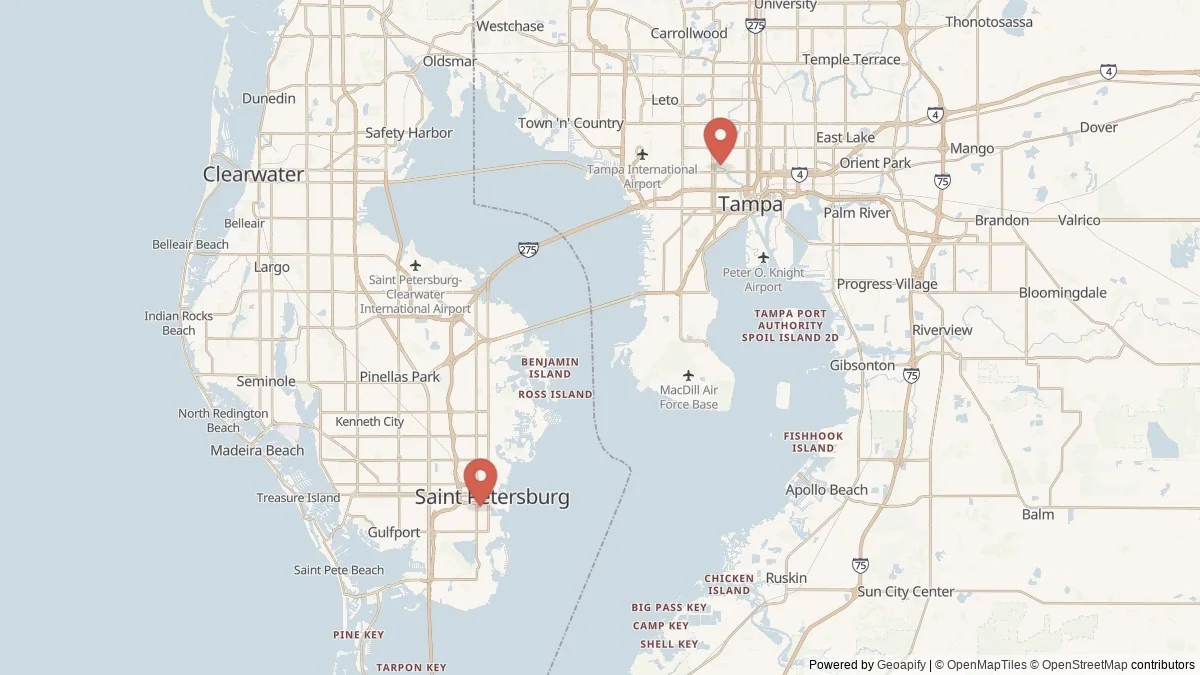
Tampa Bay geographic orientation is shown for geographic orientation only; the highlight does not indicate provider coverage.
Source: Geoapify · OpenStreetMap · OpenMapTiles.
Diagnostics for no-start, poor cutting, rough running, smoke, vibration, and other mower problems.
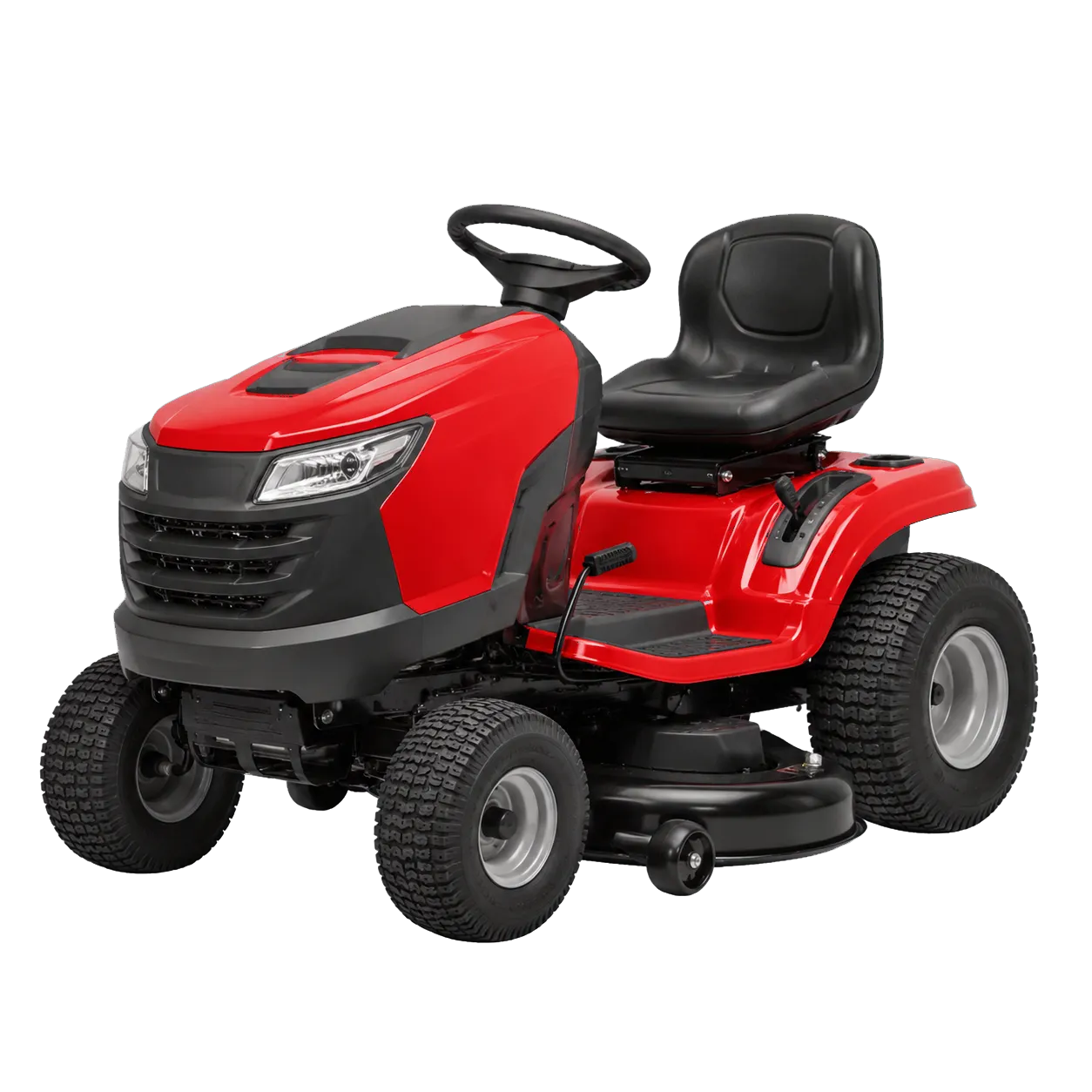
Engine, electrical, steering, deck, belt, brake, and drive-system service.
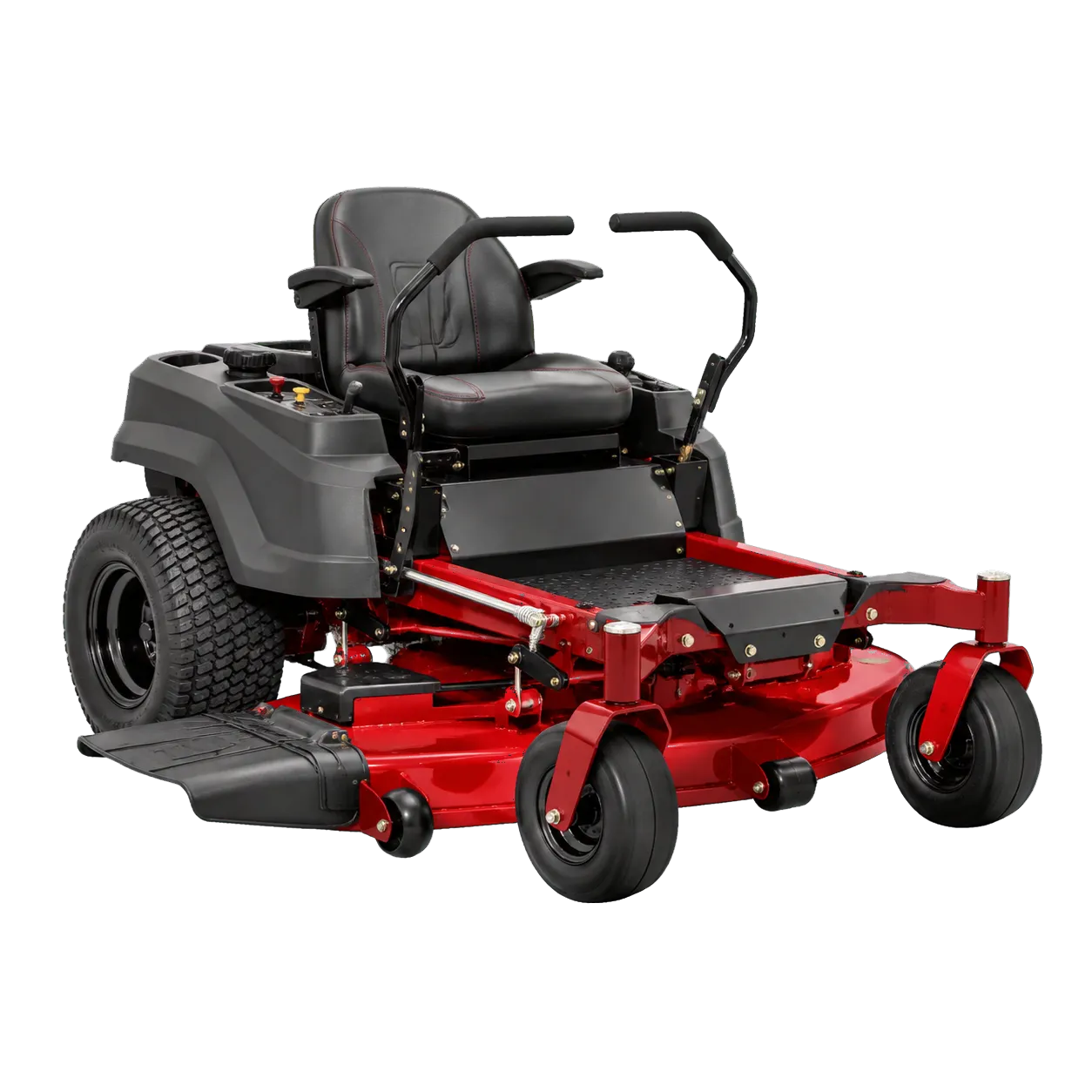
Support for controls, hydrostatic drives, decks, belts, spindles, and engines.
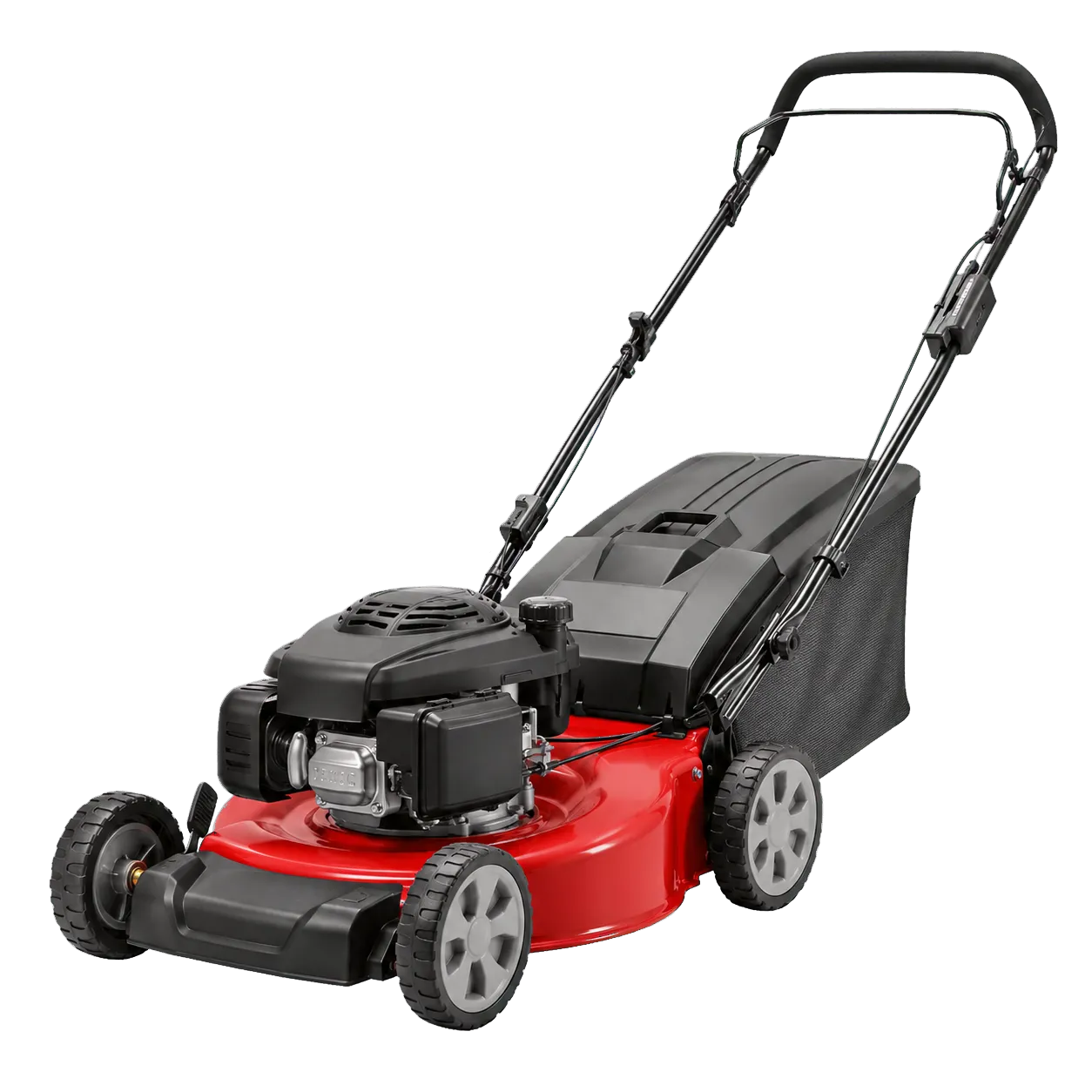
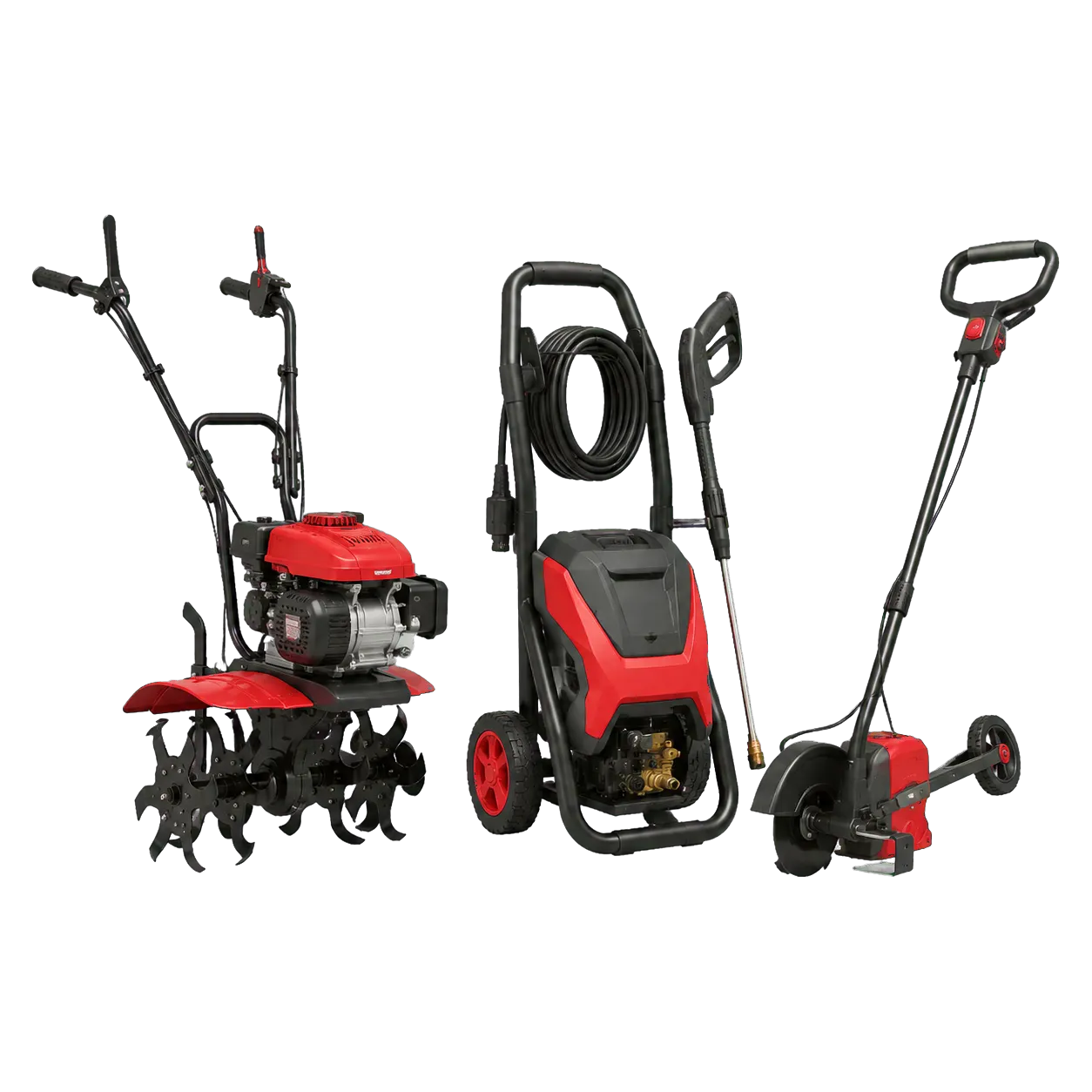
Walk-behind mower tune-ups, starting problems, blade service, and common repairs.
Ask whether a participating provider can transport larger or disabled equipment.
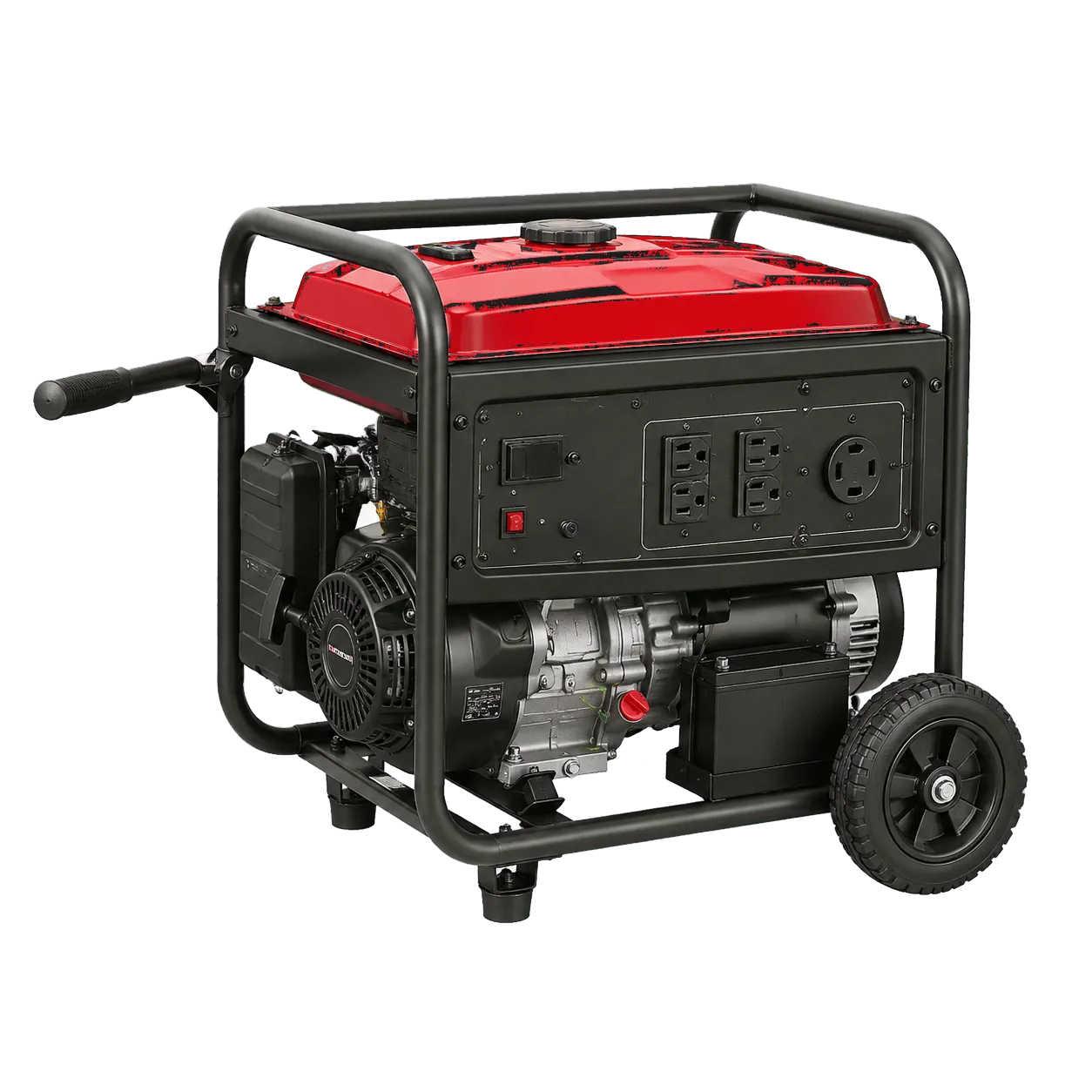
No-start, fuel, output, maintenance, and seasonal preparation for portable units.
Find the model and serial label when possible. Photos can also help a provider identify the equipment.
Describe what happens when you start, drive, engage the deck, or apply load.
Mention locked gates, narrow paths, flat tires, or non-running equipment if transport may be needed.
Share prior repairs, storage duration, fuel age, unusual noises, leaks, smoke, or impact damage.
Reduce moisture-related fuel, corrosion, deck, and electrical problems.
Test fuel, starting, output, cords, and maintenance items well before storm season.
Learn which parts, labor, transport, diagnosis, and equipment factors influence estimates.
Coastal exposure may accelerate corrosion on metal, fasteners, electrical connections, and stored equipment.
Yes. Portable-generator tune-up and no-start requests are accepted. Do not wait until a storm is approaching, when providers may be overwhelmed.
Some do. Acceptance depends on the brand, battery system, available parts, and technician capability.
Independent repair shops, dealers, mobile small-engine technicians, and pickup-and-delivery providers can apply to receive local repair inquiries.
Apply as a Repair ProviderSubmit the request form with your ZIP code, equipment type, brand, model, and symptoms.
Request Repair Availability