

Lawn Mower Repair
Diagnostics for no-start, poor cutting, rough running, smoke, vibration, and other mower problems.
Local repair information, nearby communities, service categories, practical guides, and provider availability requests.
Kansas City spans two states and combines cold winters, hot summers, severe storms, large suburban yards, and a concentrated spring startup season.
Long winter storage can lead to stale fuel, clogged carburetors, dead batteries, corrosion, and stuck components. Storm debris and summer heat add blade, deck, belt, and cooling-system wear.
Requests may come from the metro and nearby communities including Overland Park, Olathe, Independence, Lee’s Summit, Shawnee, Lenexa, Blue Springs, Liberty. A listed city does not guarantee that a provider currently covers every ZIP code.
Overland Park Olathe Independence Lee’s Summit Shawnee Lenexa Blue Springs Liberty
Long winter storage can lead to stale fuel, clogged carburetors, dead batteries, corrosion, and stuck components. Storm debris and summer heat add blade, deck, belt, and cooling-system wear.
Push mowers serve smaller lots, while riding and zero-turn equipment is common across outer suburbs. Portable generators are relevant during spring and summer storms and winter outages.
Spring repair demand can spike suddenly. Testing equipment several weeks before regular mowing begins gives more time for diagnosis, parts ordering, and pickup scheduling.
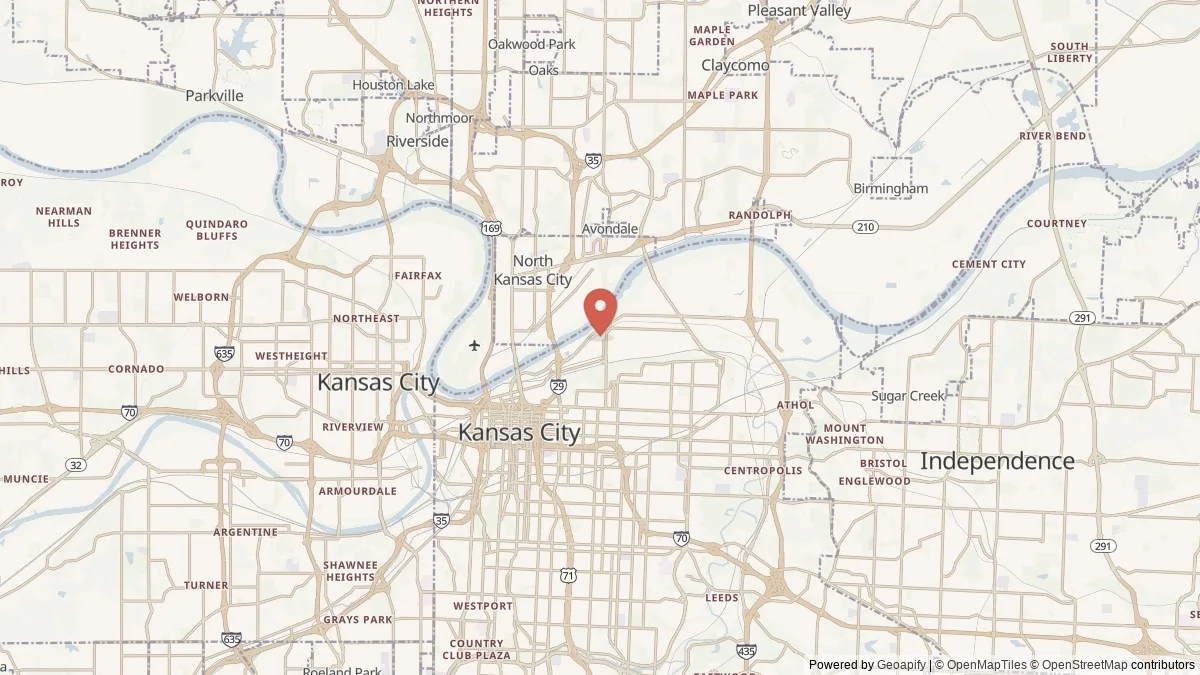
Geographic orientation
Kansas City geographic orientation is shown for geographic orientation only; the highlight does not indicate provider coverage.
Source: Geoapify · OpenStreetMap · OpenMapTiles.
Diagnostics for no-start, poor cutting, rough running, smoke, vibration, and other mower problems.
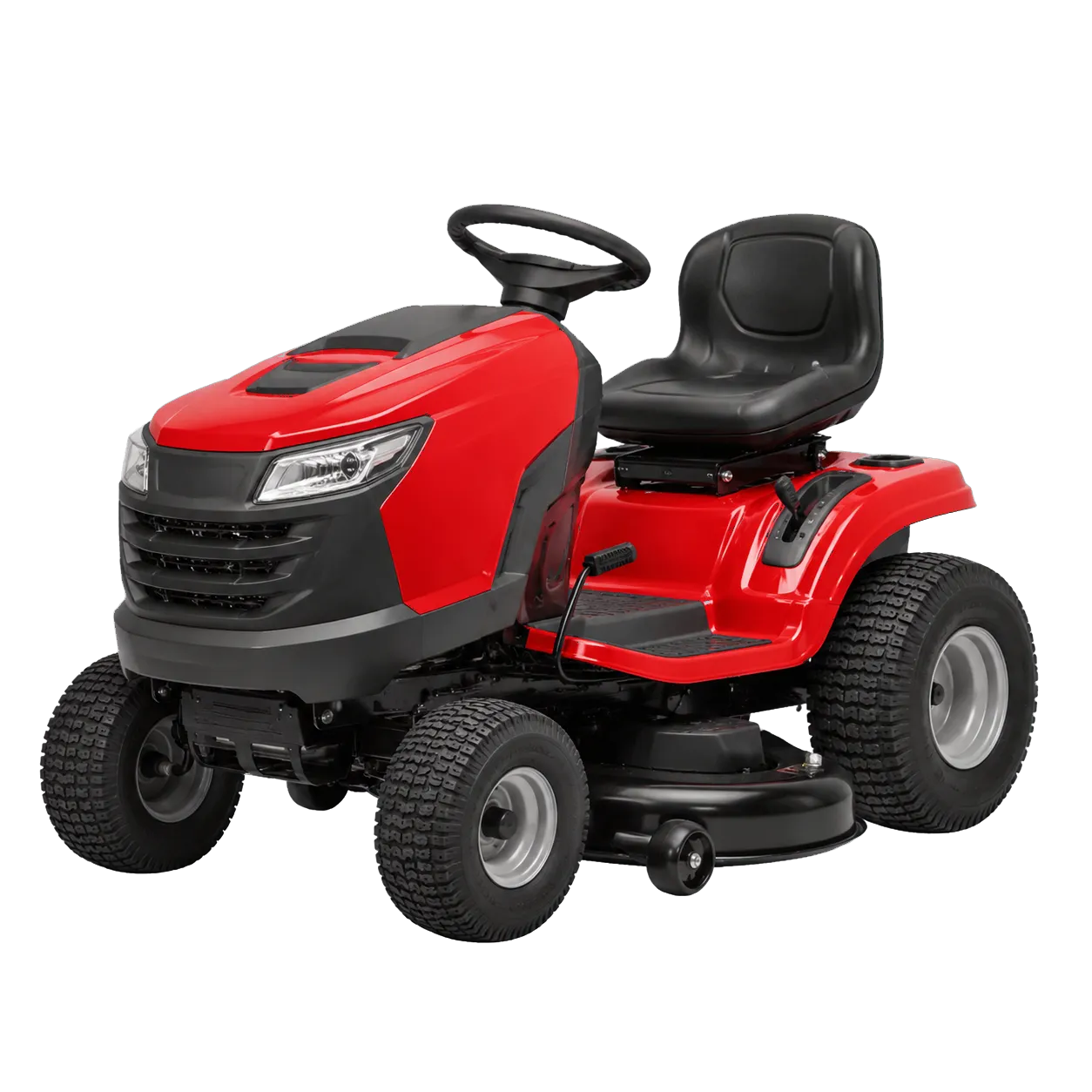
Engine, electrical, steering, deck, belt, brake, and drive-system service.
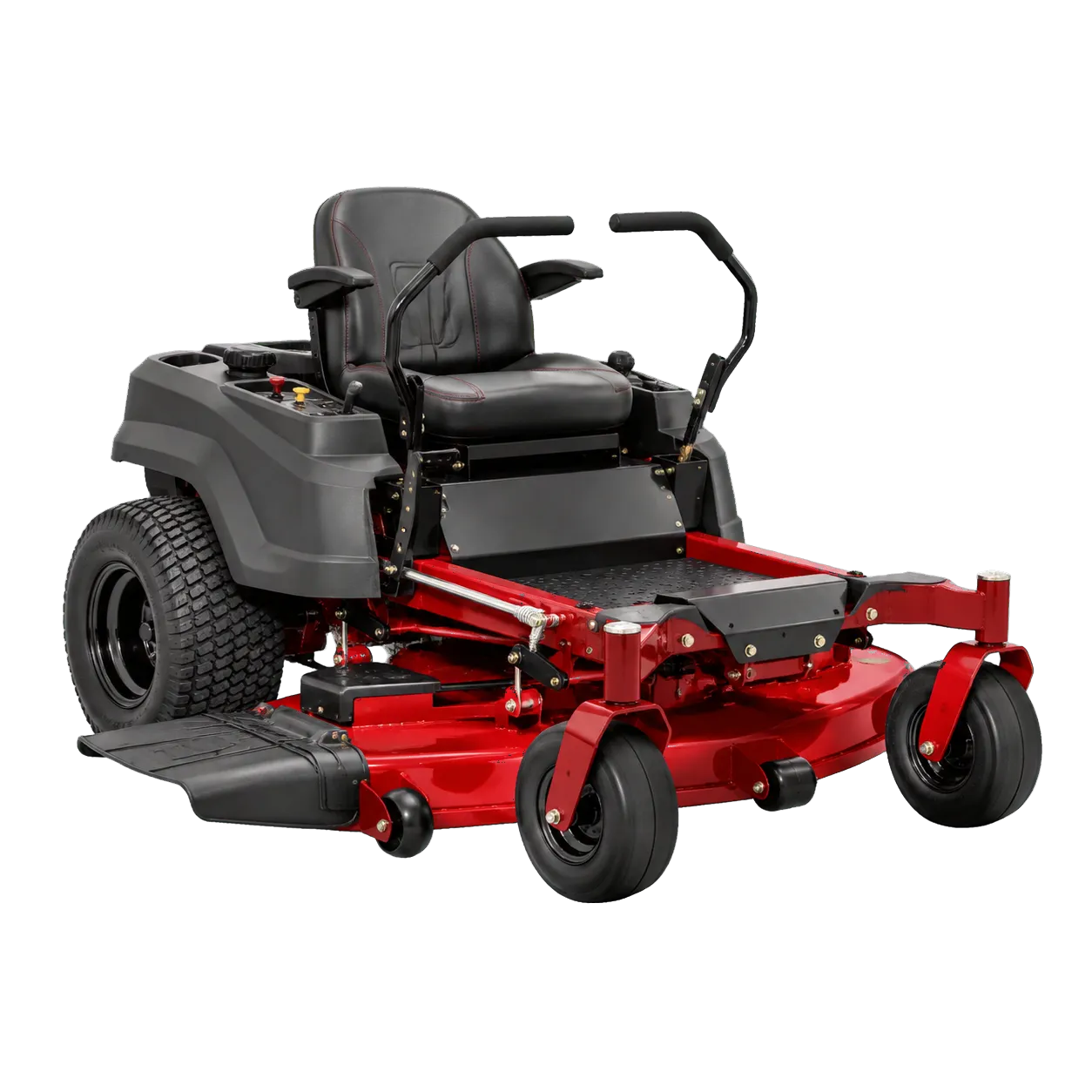
Support for controls, hydrostatic drives, decks, belts, spindles, and engines.
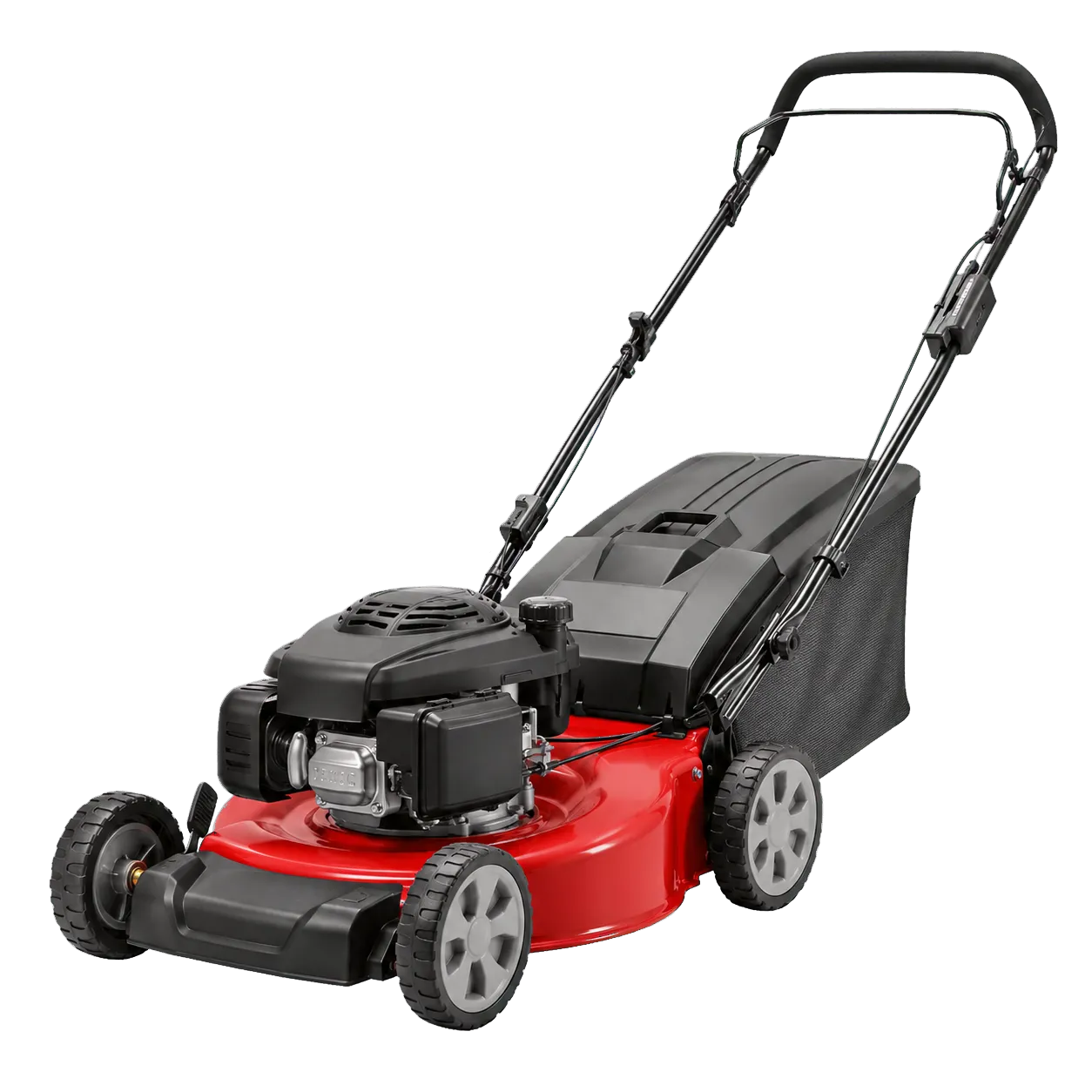
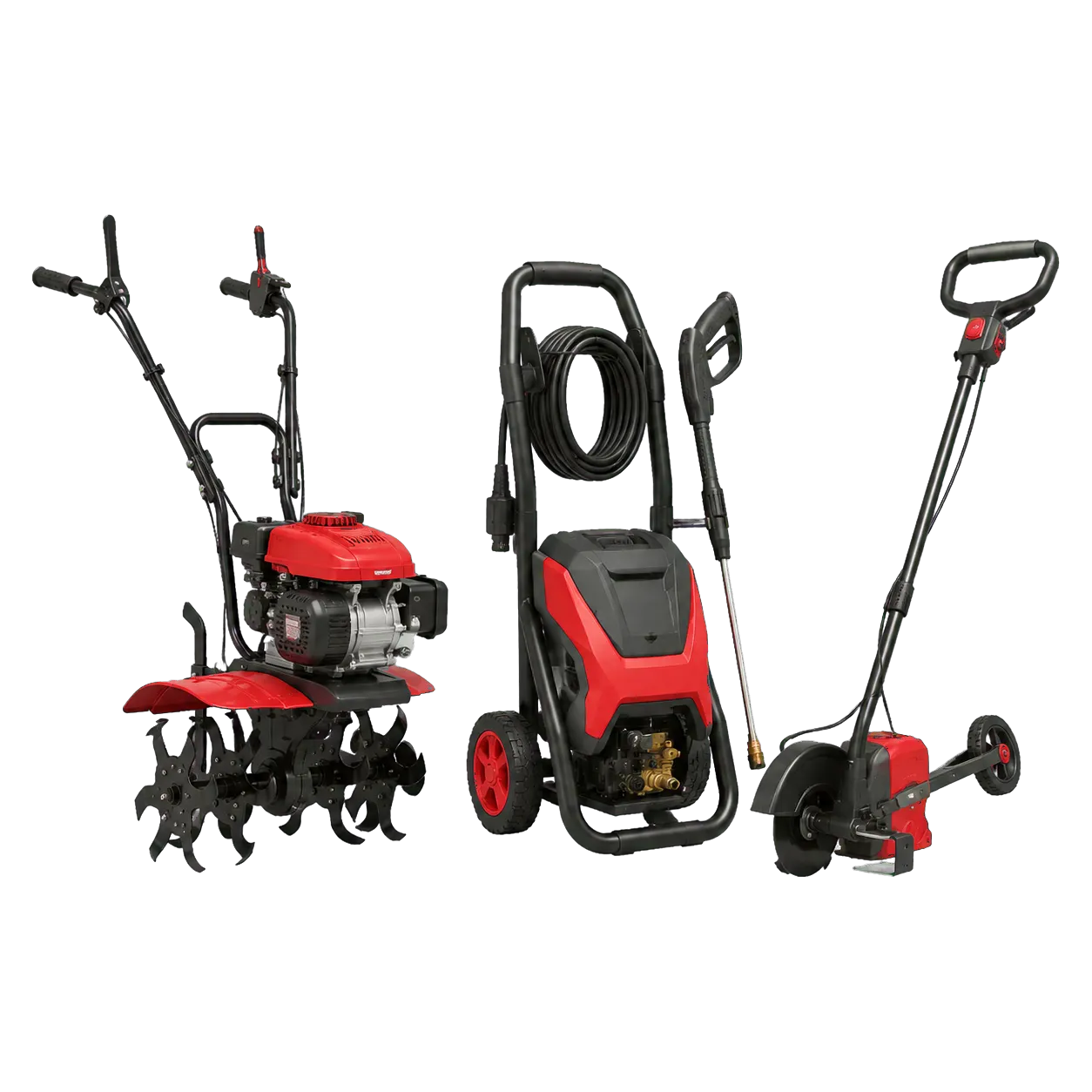
Walk-behind mower tune-ups, starting problems, blade service, and common repairs.
Ask whether a participating provider can transport larger or disabled equipment.
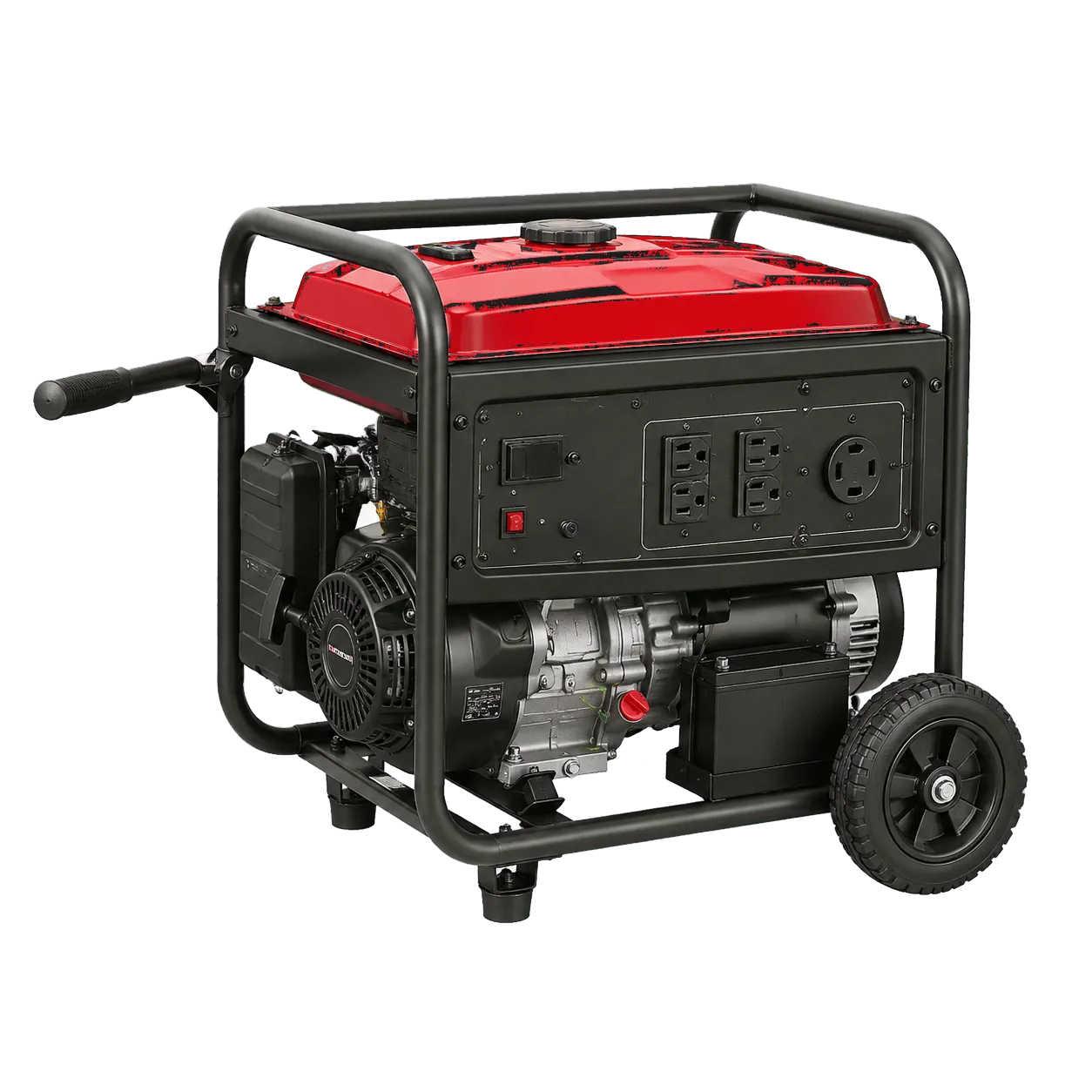
No-start, fuel, output, maintenance, and seasonal preparation for portable units.
Find the model and serial label when possible. Photos can also help a provider identify the equipment.
Describe what happens when you start, drive, engage the deck, or apply load.
Mention locked gates, narrow paths, flat tires, or non-running equipment if transport may be needed.
Share prior repairs, storage duration, fuel age, unusual noises, leaks, smoke, or impact damage.
A safe inspection sequence for fuel, battery, oil, blades, belts, tires, and controls.
Prepare mowers and portable generators for debris, outages, and severe-weather cleanup.
Learn which parts, labor, transport, diagnosis, and equipment factors influence estimates.
Yes, the hub is built for the broader metro. Provider routes and licensing determine actual coverage.
No-start complaints after storage are common, often involving fuel, batteries, spark, cables, or neglected maintenance.
Sticks, wire, stones, and hidden debris can bend blades, damage spindles, break belts, or affect the crankshaft.
Independent repair shops, dealers, mobile small-engine technicians, and pickup-and-delivery providers can apply to receive local repair inquiries.
Apply as a Repair ProviderSubmit the request form with your ZIP code, equipment type, brand, model, and symptoms.
Request Repair Availability