
Lawn Mower Repair
Diagnostics for no-start, poor cutting, rough running, smoke, vibration, and other mower problems.
Local repair information, nearby communities, service categories, practical guides, and provider availability requests.
The Triangle combines rapid suburban growth, humid summers, varied lot sizes, and a long mowing season. Homeowners and landscaping crews rely on push, riding, and zero-turn mowers across the region.
Warm humid weather, sudden growth spurts, wet mowing, leaf debris, and winter storage can lead to fuel problems, battery weakness, deck buildup, dull blades, belt wear, and poor engine airflow.
Requests may come from the metro and nearby communities including Cary, Apex, Wake Forest, Garner, Chapel Hill, Morrisville, Holly Springs, Clayton. A listed city does not guarantee that a provider currently covers every ZIP code.
Cary Apex Wake Forest Garner Chapel Hill Morrisville Holly Springs Clayton
Warm humid weather, sudden growth spurts, wet mowing, leaf debris, and winter storage can lead to fuel problems, battery weakness, deck buildup, dull blades, belt wear, and poor engine airflow.
Compact electric and push mowers are common on smaller lots, while riding and zero-turn equipment serves larger neighborhoods, acreage, institutions, and commercial routes.
Spring appointments can fill quickly. Owners who test equipment early have more time to locate parts or arrange transport before regular mowing begins.
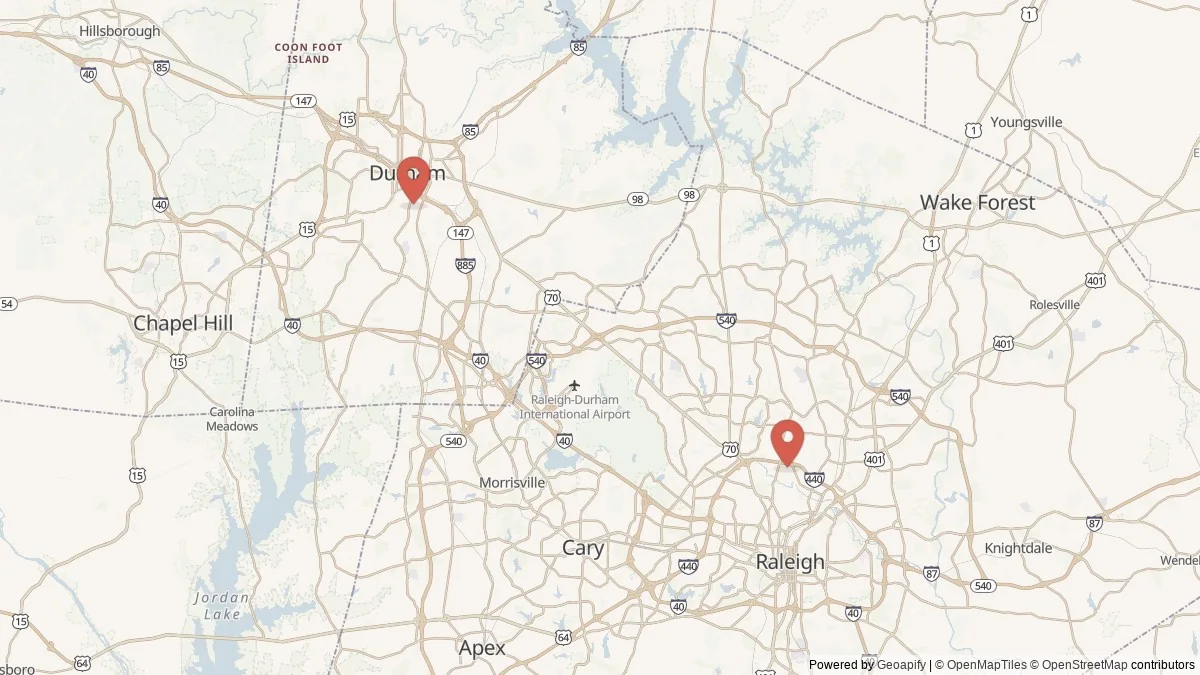
Geographic orientation
Raleigh-Durham geographic orientation is shown for geographic orientation only; the highlight does not indicate provider coverage.
Source: Geoapify · OpenStreetMap · OpenMapTiles.
Diagnostics for no-start, poor cutting, rough running, smoke, vibration, and other mower problems.
Engine, electrical, steering, deck, belt, brake, and drive-system service.
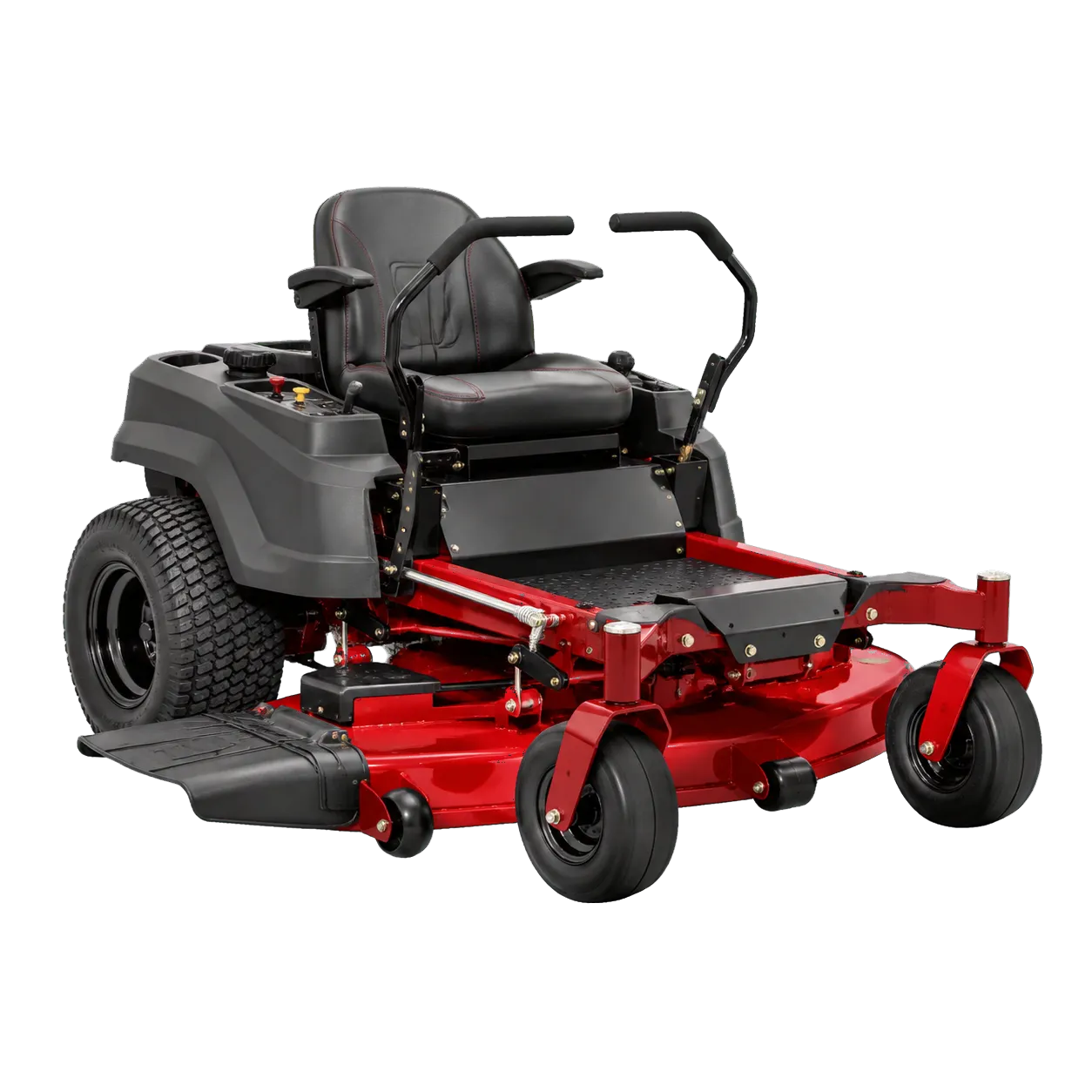
Support for controls, hydrostatic drives, decks, belts, spindles, and engines.
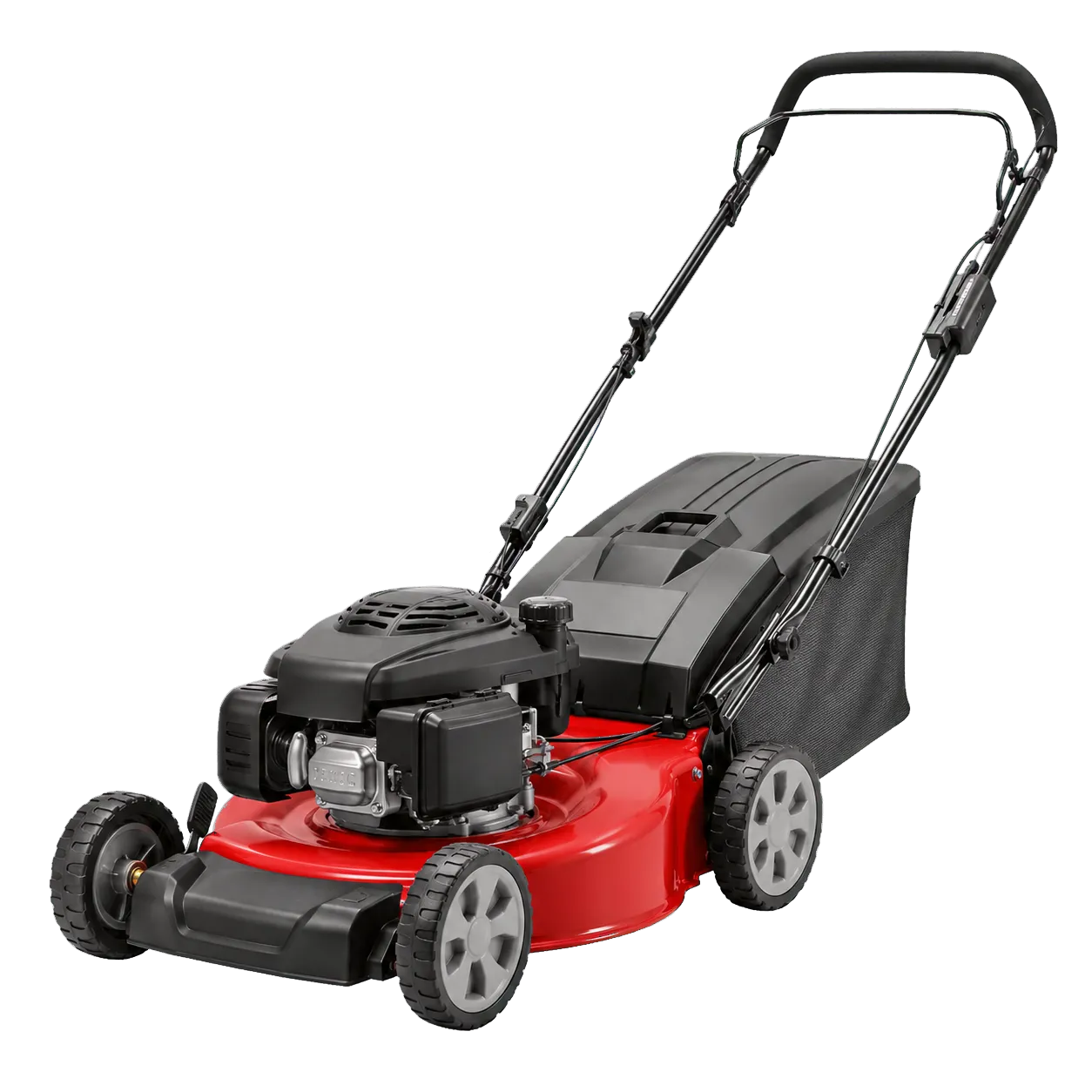
Walk-behind mower tune-ups, starting problems, blade service, and common repairs.
Ask whether a participating provider can transport larger or disabled equipment.
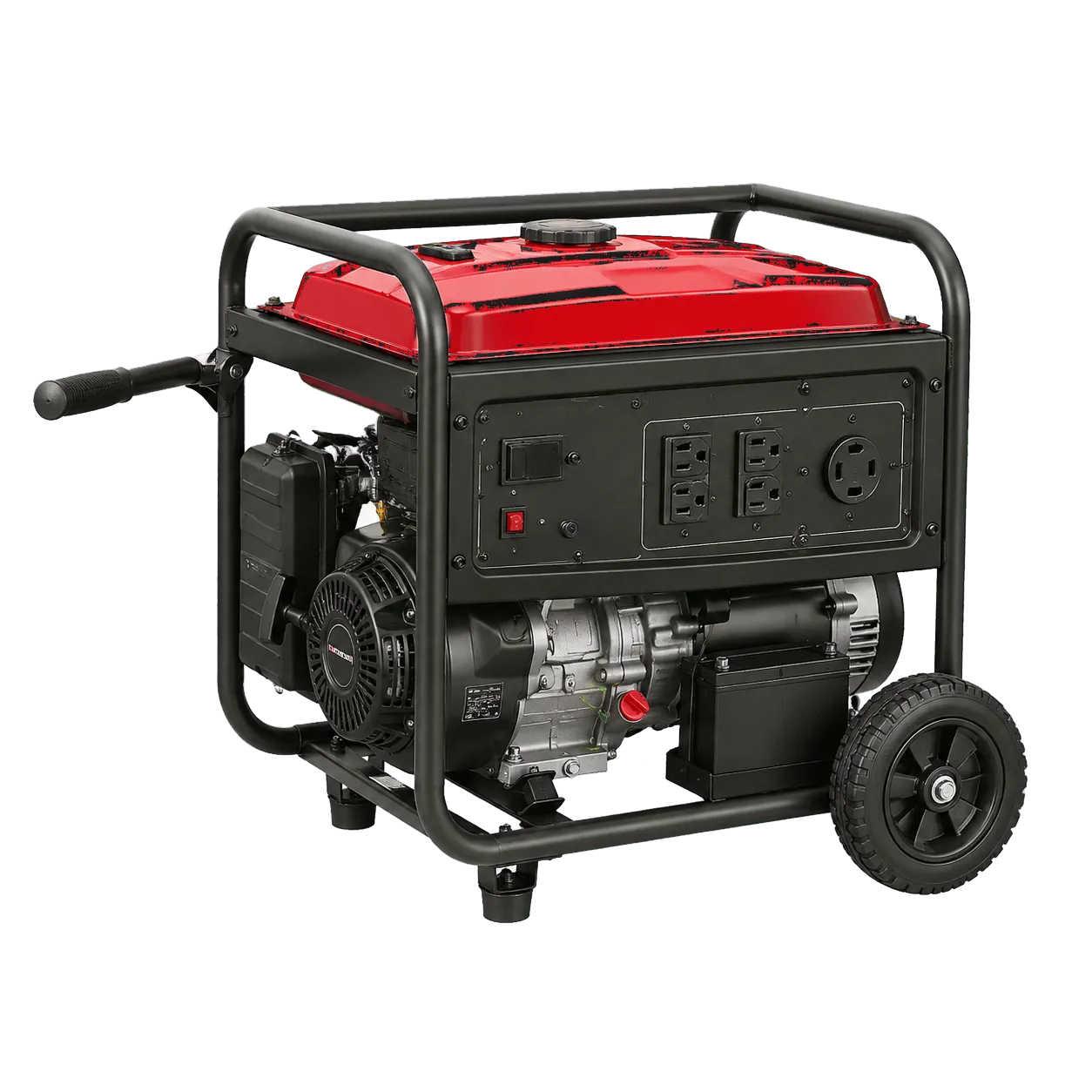
No-start, fuel, output, maintenance, and seasonal preparation for portable units.
Find the model and serial label when possible. Photos can also help a provider identify the equipment.
Describe what happens when you start, drive, engage the deck, or apply load.
Mention locked gates, narrow paths, flat tires, or non-running equipment if transport may be needed.
Share prior repairs, storage duration, fuel age, unusual noises, leaks, smoke, or impact damage.
Test and inspect stored lawn equipment before the Triangle’s fast spring growth begins.
What owners should know about batteries, chargers, controls, parts support, and repair acceptance.
Learn which parts, labor, transport, diagnosis, and equipment factors influence estimates.
Some providers accept battery-powered equipment, but battery, charger, electronics, and manufacturer support vary widely.
Coverage depends on the provider. Include your ZIP code and equipment size for routing.
Testing should determine battery condition. Charging-system or cable problems can mimic a bad battery.
Independent repair shops, dealers, mobile small-engine technicians, and pickup-and-delivery providers can apply to receive local repair inquiries.
Apply as a Repair ProviderSubmit the request form with your ZIP code, equipment type, brand, model, and symptoms.
Request Repair Availability