
Lawn Mower Repair
Diagnostics for no-start, poor cutting, rough running, smoke, vibration, and other mower problems.
Local repair information, nearby communities, service categories, practical guides, and provider availability requests.
Nashville and Middle Tennessee have long mowing seasons, rolling terrain, fast spring growth, and many suburban and semi-rural properties that use riding and zero-turn mowers.
Hills, heavy grass, sticks, wet clippings, and summer heat can increase wear on belts, brakes, steering, tires, decks, blades, engines, and hydrostatic drive systems.
Requests may come from the metro and nearby communities including Franklin, Murfreesboro, Hendersonville, Mount Juliet, Smyrna, Lebanon, Brentwood, Gallatin. A listed city does not guarantee that a provider currently covers every ZIP code.
Franklin Murfreesboro Hendersonville Mount Juliet Smyrna Lebanon Brentwood Gallatin
Hills, heavy grass, sticks, wet clippings, and summer heat can increase wear on belts, brakes, steering, tires, decks, blades, engines, and hydrostatic drive systems.
Riding mowers and zero-turns are especially common on larger properties, while push mowers serve denser neighborhoods. Portable generators are accepted by some small-engine providers.
Scheduling before spring can reduce downtime. During peak growth, transport availability and parts delays may extend turnaround.
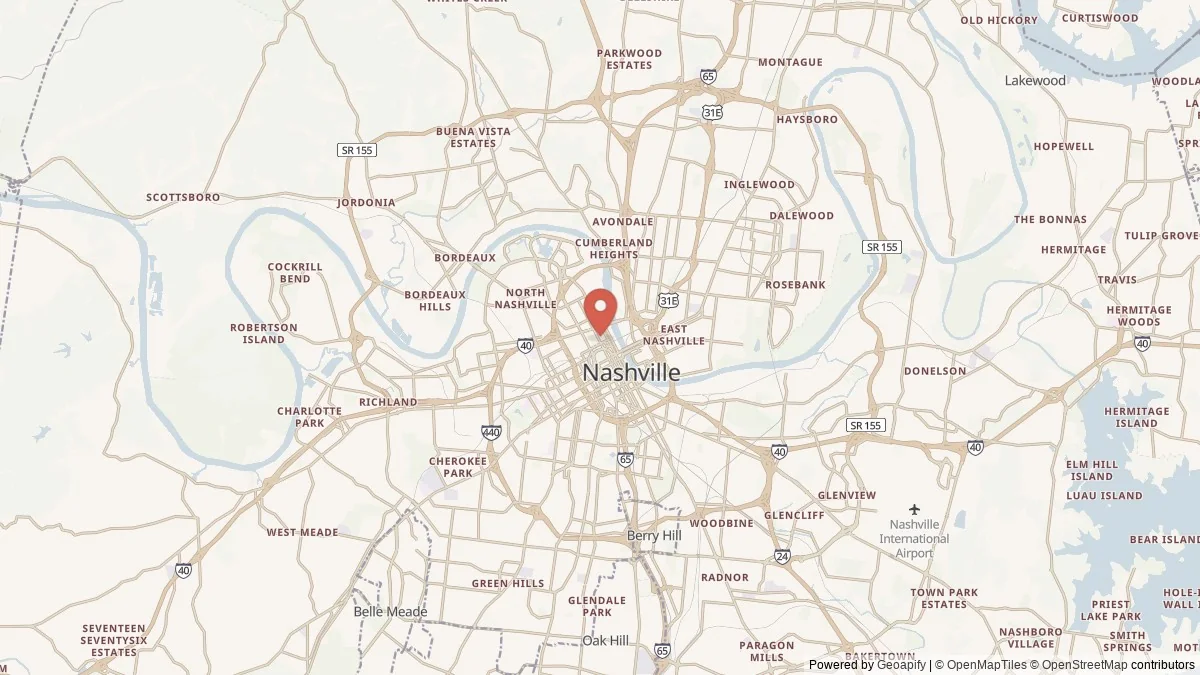
Geographic orientation
Nashville geographic orientation is shown for geographic orientation only; the highlight does not indicate provider coverage.
Source: Geoapify · OpenStreetMap · OpenMapTiles.
Diagnostics for no-start, poor cutting, rough running, smoke, vibration, and other mower problems.
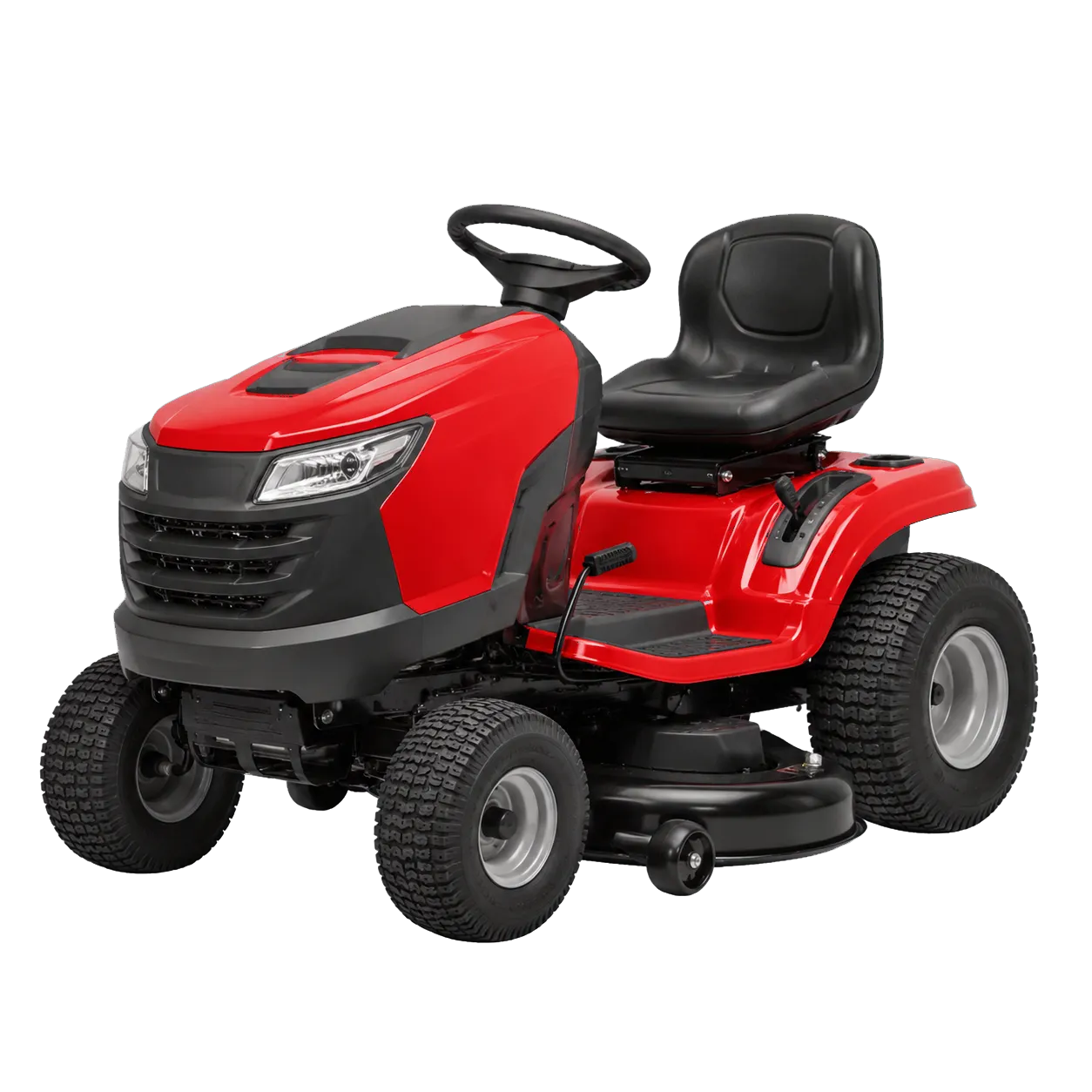
Engine, electrical, steering, deck, belt, brake, and drive-system service.
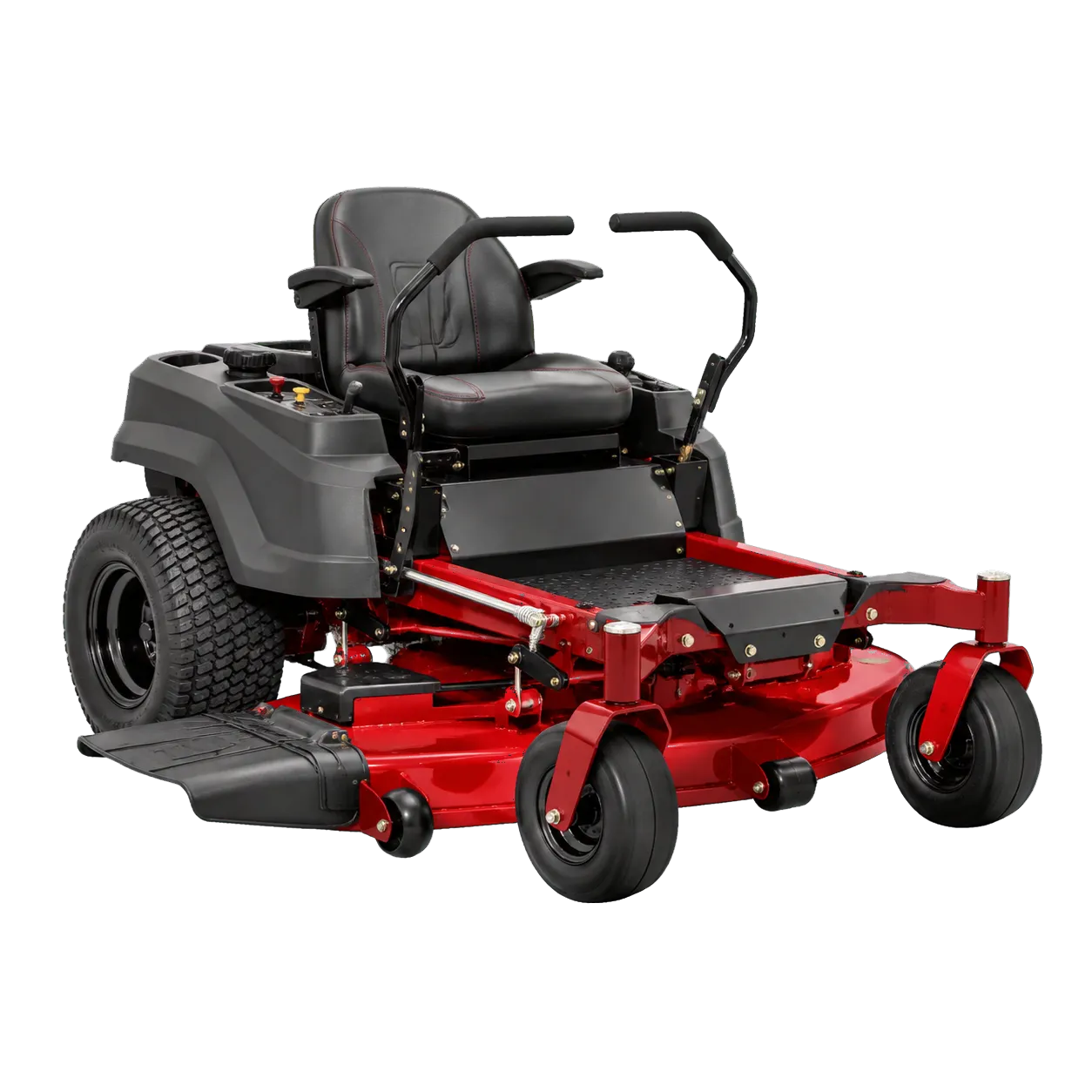
Support for controls, hydrostatic drives, decks, belts, spindles, and engines.
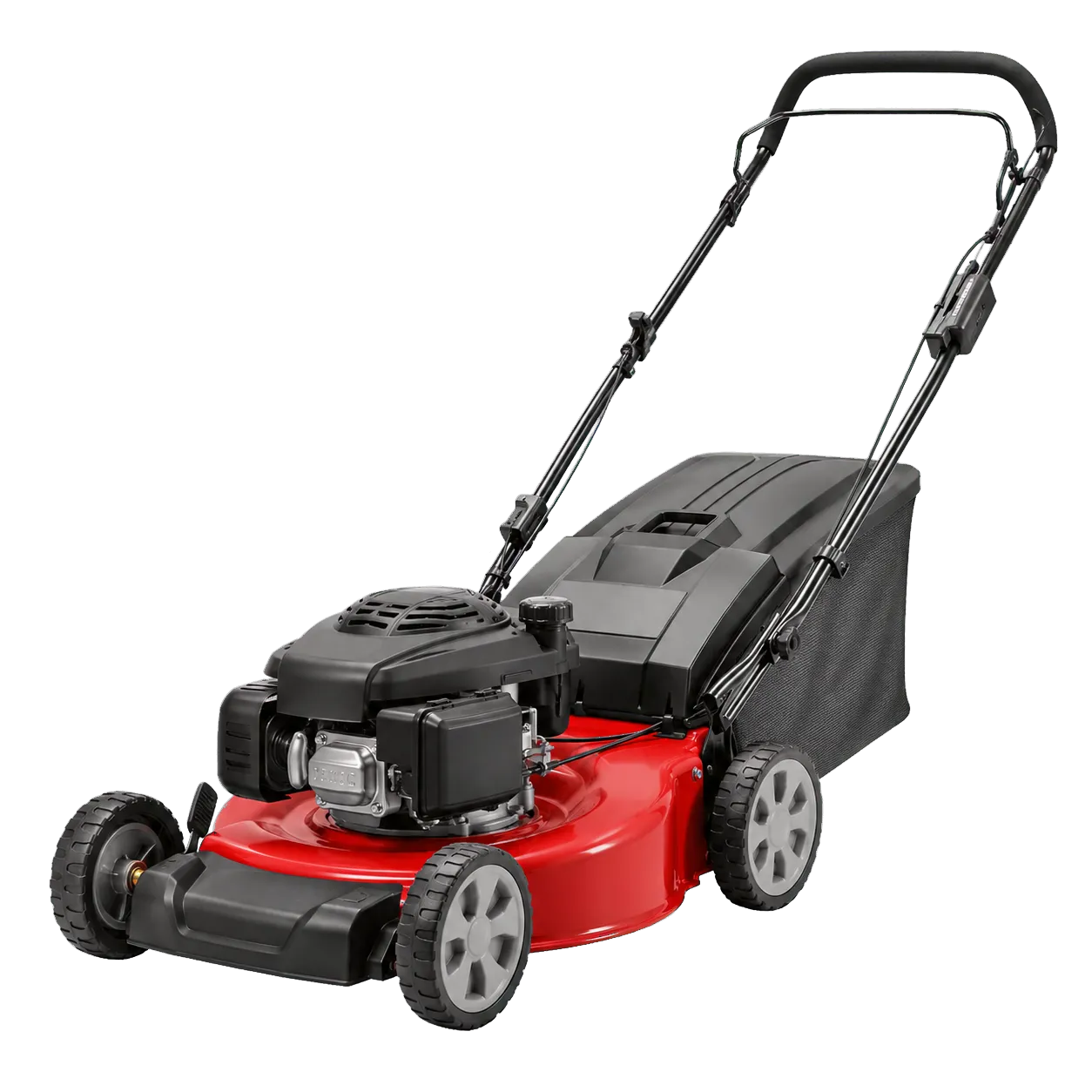
Walk-behind mower tune-ups, starting problems, blade service, and common repairs.
Ask whether a participating provider can transport larger or disabled equipment.
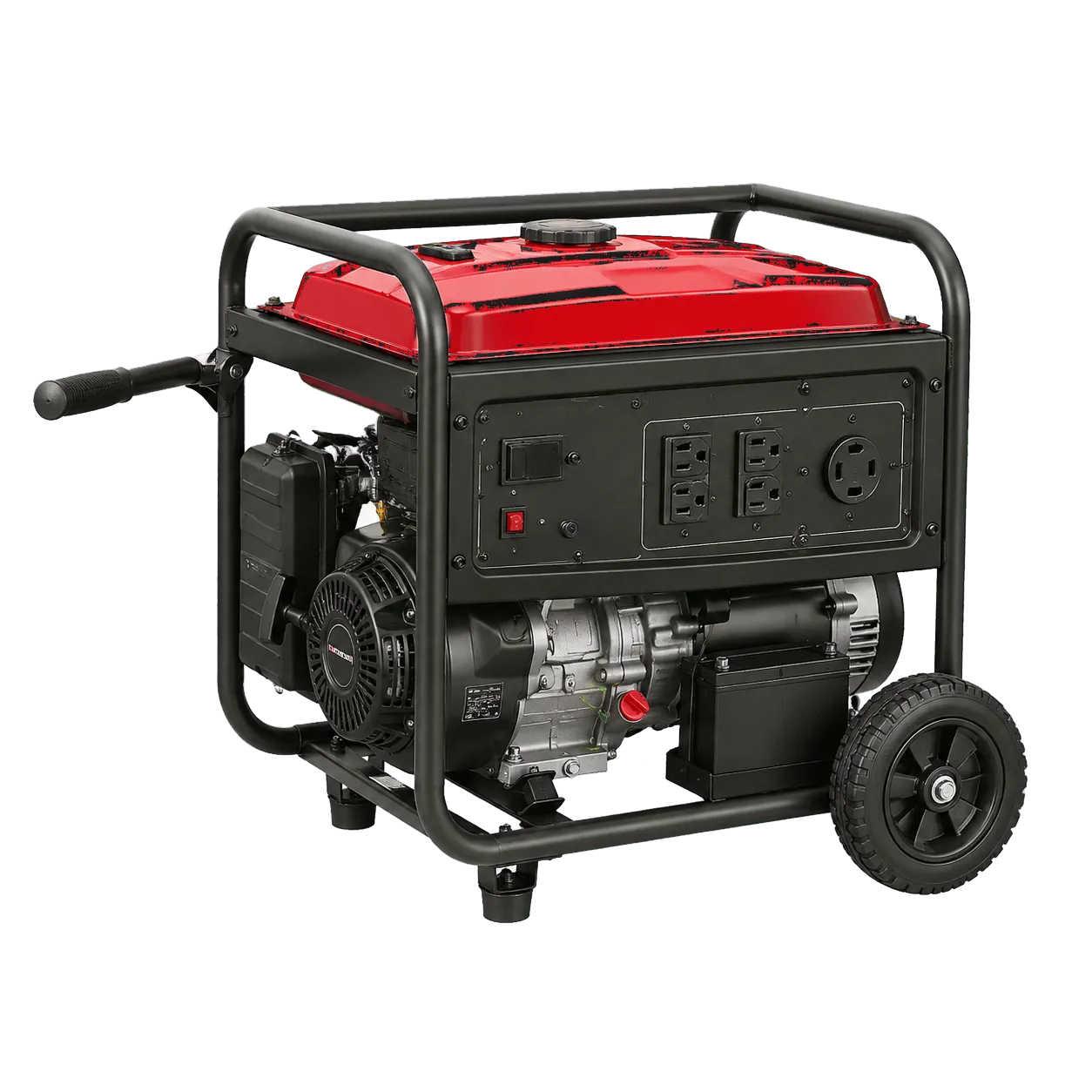
No-start, fuel, output, maintenance, and seasonal preparation for portable units.
Find the model and serial label when possible. Photos can also help a provider identify the equipment.
Describe what happens when you start, drive, engage the deck, or apply load.
Mention locked gates, narrow paths, flat tires, or non-running equipment if transport may be needed.
Share prior repairs, storage duration, fuel age, unusual noises, leaks, smoke, or impact damage.
How hills affect brakes, steering, tires, belts, and drive systems.
Find and address fuel, battery, blade, belt, and deck problems before peak growth.
Learn which parts, labor, transport, diagnosis, and equipment factors influence estimates.
Repeated operation on slopes can add load and heat to drive systems. Follow the manufacturer slope limits and service recommendations.
Some do. Include the equipment type, hours, brand, deck size, and urgency.
Some providers run wider routes, but distance, trailer capacity, and fees vary.
Independent repair shops, dealers, mobile small-engine technicians, and pickup-and-delivery providers can apply to receive local repair inquiries.
Apply as a Repair ProviderSubmit the request form with your ZIP code, equipment type, brand, model, and symptoms.
Request Repair Availability